Online learning has changed the way people study, teach, and develop professional skills. At the center of this transformation is the LMS Learning Management System, a platform designed to create, organize, deliver, and manage online learning content from one central place.
Whether you are an educator, business owner, trainer, or someone planning to launch an online course, a learning management system can make the entire process easier. Instead of managing lessons, learners, assignments, progress, and training materials across multiple tools, an LMS brings everything together in one structured platform.
But how does an LMS work, and what makes it useful for online learning?
In this article, you will discover how an LMS Learning Management System works, its essential features, major benefits, and what to consider when choosing the right platform for your learning or training needs.
To Start Your Affiliate Journey Today — WATCH THIS VIDEO >>>
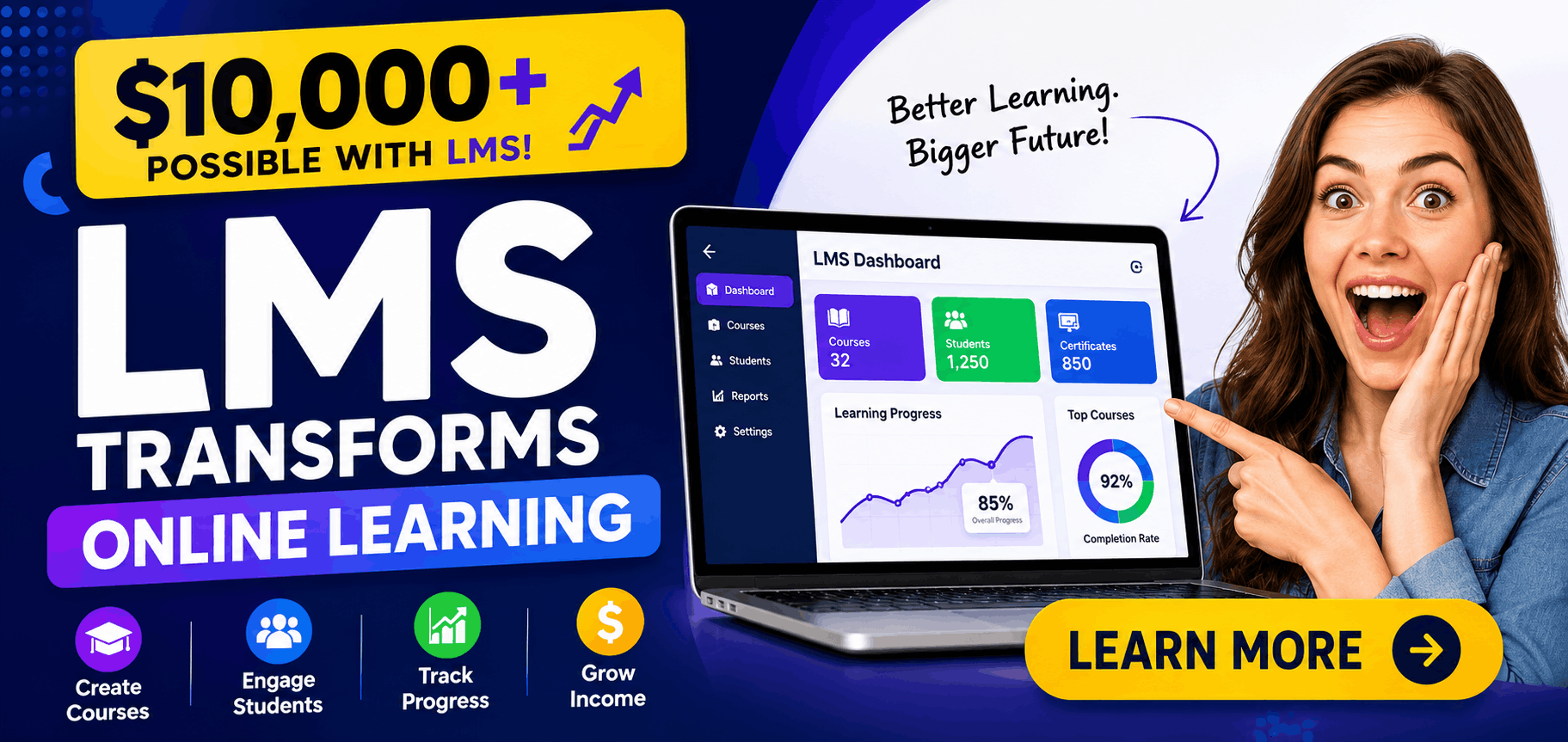
TL;DR Summary
An LMS Learning Management System is a digital platform that helps individuals, educators, businesses, and organizations create, manage, deliver, and track online learning from one central location.
With the right LMS, you can organize courses, upload learning materials, manage students, track progress, conduct assessments, and improve the overall learning experience.
In this article, you will learn:
- What an LMS Learning Management System is and how it works
- The most important LMS features to look for
- The key benefits of using an LMS for online learning
- How to choose the right Learning Management System
- Common questions beginners ask before using an LMS
Whether you want to create online courses, train employees, or build a structured learning environment, an LMS can simplify the entire process and make online learning easier to manage.
Key Takeaways
- An LMS Learning Management System is a centralized platform for creating, delivering, managing, and tracking online learning.
- LMS platforms can be used by schools, universities, businesses, trainers, and course creators.
- Common LMS features include course management, learner tracking, assessments, reporting, and content delivery.
- A well-chosen Learning Management System can save time, improve organization, and create a better learning experience.
- The best LMS depends on your goals, budget, number of learners, required features, and ease of use.
- Understanding how an LMS Learning Management System works can help you choose the right platform and build a more effective online learning environment.
What Is an LMS Learning Management System?
An LMS Learning Management System is a software platform that helps individuals and organizations create, deliver, manage, and track online learning and training programs from one central location.
In simple terms, an LMS acts as a digital learning hub. It allows educators, businesses, trainers, and course creators to upload learning materials, organize courses, enroll learners, deliver lessons, conduct assessments, and monitor progress.
For example, a business can use an LMS to train new employees, while an online course creator can use the same type of platform to deliver video lessons, quizzes, downloadable resources, and certificates.
What Does an LMS Do?
A Learning Management System typically helps users:
- Create and organize online courses
- Upload videos, documents, and other learning materials
- Manage students or employees
- Deliver lessons and training programs
- Create quizzes, tests, and assessments
- Track learner progress and course completion
- Generate reports and learning insights
The main purpose of an LMS Learning Management System is to make online education and training easier to manage. Instead of using multiple tools for content delivery, learner management, and progress tracking, an LMS brings these essential activities together in one organized platform.
Whether you are running an online course, employee training program, educational institution, or professional development program, a Learning Management System can provide a structured and scalable way to deliver learning experiences.
What Is an LMS Learning Management System?
An LMS Learning Management System is a software platform that helps individuals and organizations create, deliver, manage, and track online learning and training programs from one central location.
In simple terms, an LMS acts as a digital learning hub. It allows educators, businesses, trainers, and course creators to upload learning materials, organize courses, enroll learners, deliver lessons, conduct assessments, and monitor progress.
For example, a business can use an LMS to train new employees, while an online course creator can use the same type of platform to deliver video lessons, quizzes, downloadable resources, and certificates.
What Does an LMS Do?
A Learning Management System typically helps users:
- Create and organize online courses
- Upload videos, documents, and other learning materials
- Manage students or employees
- Deliver lessons and training programs
- Create quizzes, tests, and assessments
- Track learner progress and course completion
- Generate reports and learning insights
The main purpose of an LMS Learning Management System is to make online education and training easier to manage. Instead of using multiple tools for content delivery, learner management, and progress tracking, an LMS brings these essential activities together in one organized platform.
Whether you are running an online course, employee training program, educational institution, or professional development program, a Learning Management System can provide a structured and scalable way to deliver learning experiences.
Key Features of a Learning Management System
A Learning Management System (LMS) includes a range of tools designed to make online learning, course management, and employee training easier. While features vary between platforms, the following are among the most important features to look for.
1. Course and Content Management
An LMS allows instructors and administrators to create, upload, organize, and update learning content from one central dashboard.
Content may include:
- Video lessons
- Documents and PDFs
- Presentations
- Written lessons
- Downloadable resources
Courses can usually be divided into modules and lessons, helping learners follow a clear and structured learning path.
2. User and Learner Management
A Learning Management System makes it easier to manage students, employees, instructors, and other users.
Administrators can assign courses, control user access, create different user roles, and monitor learner activity. This is especially useful for businesses and educational organizations managing a large number of learners.
3. Progress Tracking and Reporting
Progress tracking is one of the most valuable LMS features. The platform can monitor course completion, lesson progress, assessment results, and learner activity.
Reporting tools help instructors and administrators understand learner performance and identify areas where courses or training programs may need improvement.
4. Quizzes, Assessments, and Certifications
Many LMS platforms include tools for creating quizzes, tests, assignments, and other assessments. These features help measure whether learners understand the course material.
Some systems also support automated grading and course completion certificates, making the learning process more efficient.
5. Communication and Collaboration Tools
An effective Learning Management System may include discussion forums, announcements, messaging, notifications, or live learning integrations.
These features can improve communication between instructors and learners while creating a more interactive online learning experience.
6. Mobile and Remote Learning Access
Modern LMS platforms often support mobile access, allowing learners to access courses from smartphones, tablets, or computers.
This flexibility is important for remote learning, employee training, and learners who want to study at their own pace.
In short, the best LMS Learning Management System should provide the essential tools needed to create courses, manage learners, deliver content, track progress, and measure learning outcomes without making the platform difficult to use.
Benefits of Using an LMS for Online Learning
Using a Learning Management System (LMS) can make online education and training more organized, flexible, and easier to manage. Instead of relying on separate tools for course content, learner communication, assessments, and progress tracking, an LMS brings essential learning activities into one central platform.
1. Centralized Learning Management
One of the biggest benefits of an LMS is that learning content, users, assessments, and progress data can be managed from one place.
This helps educators, trainers, and organizations reduce complexity and keep courses better organized. Learners also benefit because they can access lessons and resources through a single platform.
2. Flexible Access to Online Learning
An LMS allows learners to access course materials from different locations and, depending on the platform, across devices such as computers, tablets, and smartphones.
This flexibility supports remote learning, self-paced education, and employee training without requiring everyone to be in the same physical location.
3. Better Learner Progress Tracking
A Learning Management System can track important learning activities, including lesson completion, course progress, quiz results, and assessment performance.
These insights help instructors and administrators monitor learner engagement and identify individuals or areas that may require additional support.
4. Saves Time and Reduces Administrative Work
Many routine tasks can be simplified through an LMS. For example, administrators can manage enrollments, assign courses, deliver content, track completion, and generate reports more efficiently.
Automation features can also reduce repetitive administrative work, especially when managing larger groups of learners.
5. Supports Scalable Training and Education
As the number of learners grows, managing training manually can become difficult. An LMS provides a more scalable way to deliver the same courses and learning materials to many users.
To Start Your Affiliate Journey Today — WATCH THIS VIDEO >>>
This makes it useful for schools, universities, businesses, online course creators, and organizations with growing training needs.
6. Creates a More Consistent Learning Experience
With a centralized system, every learner can access the same structured course content, learning materials, and assessments.
This consistency can improve course organization and make it easier to maintain training standards across different teams, locations, or groups of learners.
Why Is an LMS Important for Online Learning?
The main advantage of an LMS Learning Management System is that it combines content delivery, learner management, progress tracking, assessments, and reporting in one structured environment.
For educators and organizations, this can make online learning easier to manage. For learners, it provides a more accessible and organized way to study, complete training, and monitor progress.
How to Choose the Best Learning Management System
Choosing the best Learning Management System (LMS) depends on your specific learning or training needs. The right platform for a small online course creator may be very different from the best LMS for a school, university, or large business.
Before selecting a platform, consider the following important factors.
1. Define Your Learning Goals
Start by identifying what you want the LMS to help you achieve.
For example, you may want to:
- Create and sell online courses
- Train employees
- Deliver educational programs
- Manage student learning
- Provide professional development
- Track learner performance
Clear goals make it easier to choose an LMS with the features you actually need.
2. Look for Essential LMS Features
The best Learning Management System should include the tools required for your courses or training programs. Important features may include course creation, content management, learner tracking, quizzes, assessments, reporting, certifications, and communication tools.
However, avoid choosing a platform simply because it offers the largest number of features. A simple and easy-to-use LMS may be a better choice if it meets your core requirements.
3. Consider Ease of Use
Both administrators and learners should be able to use the platform without unnecessary complexity.
Look for a clean dashboard, simple course navigation, easy content uploads, and straightforward learner management. A complicated system can increase training time and reduce the overall learning experience.
4. Check Scalability and Integration Options
Your learning needs may grow over time. Therefore, consider whether the LMS can support more courses, users, and training programs as your organization expands.
It can also be useful to check whether the platform integrates with other tools you already use, such as video conferencing software, payment systems, customer relationship management tools, or other business applications.
5. Compare Pricing and Overall Value
LMS pricing can vary depending on the number of users, available features, storage, support, and subscription model.
Instead of choosing the cheapest option, consider the overall value. A platform that saves time, improves learner management, and provides essential features may offer better long-term value than a lower-priced system with major limitations.
6. Review Support, Security, and Reliability
Reliable technical support is especially important if the LMS will be used for business or educational purposes.
You should also consider factors such as data security, user permissions, platform reliability, backups, and privacy features. These elements become increasingly important when managing a large number of learners or sensitive educational data.
Quick Tip: Choose the LMS That Matches Your Needs
The best Learning Management System is not necessarily the platform with the most advanced features. The right choice is one that matches your goals, budget, number of learners, technical requirements, and future growth plans.
Before making a final decision, list your must-have features and compare them with your available budget. If possible, explore a free trial or demo to see whether the platform is easy to use and suitable for your online learning or training requirements.
How to Choose the Best Learning Management System
Choosing the best Learning Management System (LMS) depends on your specific learning or training needs. The right platform for a small online course creator may be very different from the best LMS for a school, university, or large business.
Before selecting a platform, consider the following important factors.
1. Define Your Learning Goals
Start by identifying what you want the LMS to help you achieve.
For example, you may want to:
- Create and sell online courses
- Train employees
- Deliver educational programs
- Manage student learning
- Provide professional development
- Track learner performance
Clear goals make it easier to choose an LMS with the features you actually need.
2. Look for Essential LMS Features
The best Learning Management System should include the tools required for your courses or training programs. Important features may include course creation, content management, learner tracking, quizzes, assessments, reporting, certifications, and communication tools.
However, avoid choosing a platform simply because it offers the largest number of features. A simple and easy-to-use LMS may be a better choice if it meets your core requirements.
3. Consider Ease of Use
Both administrators and learners should be able to use the platform without unnecessary complexity.
Look for a clean dashboard, simple course navigation, easy content uploads, and straightforward learner management. A complicated system can increase training time and reduce the overall learning experience.
4. Check Scalability and Integration Options
Your learning needs may grow over time. Therefore, consider whether the LMS can support more courses, users, and training programs as your organization expands.
It can also be useful to check whether the platform integrates with other tools you already use, such as video conferencing software, payment systems, customer relationship management tools, or other business applications.
5. Compare Pricing and Overall Value
LMS pricing can vary depending on the number of users, available features, storage, support, and subscription model.
Instead of choosing the cheapest option, consider the overall value. A platform that saves time, improves learner management, and provides essential features may offer better long-term value than a lower-priced system with major limitations.
6. Review Support, Security, and Reliability
Reliable technical support is especially important if the LMS will be used for business or educational purposes.
You should also consider factors such as data security, user permissions, platform reliability, backups, and privacy features. These elements become increasingly important when managing a large number of learners or sensitive educational data.
Quick Tip: Choose the LMS That Matches Your Needs
The best Learning Management System is not necessarily the platform with the most advanced features. The right choice is one that matches your goals, budget, number of learners, technical requirements, and future growth plans.
Before making a final decision, list your must-have features and compare them with your available budget. If possible, explore a free trial or demo to see whether the platform is easy to use and suitable for your online learning or training requirements.
Conclusion
An LMS Learning Management System provides a centralized way to create, deliver, manage, and track online learning. From course creation and learner management to assessments and progress reports, an LMS can simplify many parts of the learning process.
To Start Your Affiliate Journey Today — WATCH THIS VIDEO >>>
The right Learning Management System depends on your specific goals. An online course creator may prioritize course delivery and monetization, while a business may need employee training, reporting, automation, and scalability.
Before choosing an LMS, focus on the features you actually need, ease of use, pricing, integrations, security, learner experience, and future growth.
Ultimately, the best LMS is not the one with the most features—it is the one that makes learning easier to manage and delivers a better experience for your learners.
FAQ’s
What does LMS stand for?
LMS stands for Learning Management System. It is software used to create, deliver, organize, manage, and track online courses and training programs.
What is an LMS used for?
An LMS is used for online education, employee training, professional development, compliance training, and digital courses. It can manage learning content, users, assessments, progress tracking, and reports from one platform.
How does a Learning Management System work?
An LMS allows administrators or instructors to create courses and upload learning materials. Learners access the assigned content, complete lessons and assessments, and have their progress recorded by the system.
Who uses a Learning Management System?
LMS platforms are commonly used by schools, universities, businesses, trainers, government organizations, and online course creators. The specific features required depend on the type and size of the learning program.
What features should an LMS have?
Important LMS features can include course management, content delivery, learner management, quizzes, assessments, progress tracking, reporting, certifications, mobile access, communication tools, and integrations.
How much does an LMS cost?
The cost of an LMS varies widely. Some platforms offer free plans or trials, while others charge monthly or annual fees based on features, users, courses, or usage.
When comparing platforms, consider the total cost, including subscriptions, setup, integrations, support, and any additional fees.
What are the benefits of using an LMS?
An LMS can centralize learning content, simplify course management, track learner progress, reduce administrative work, support remote learning, and provide useful reports and assessments.
Is an LMS suitable for online course creators?
Yes. An LMS can help course creators organize lessons, deliver digital content, manage students, track course completion, and assess learners. Some platforms also provide tools for selling courses and managing payments.
What is the difference between an LMS and online course software?
An LMS generally focuses on managing and delivering learning, including learners, courses, assessments, and progress. Online course platforms may combine these functions with additional tools for marketing, sales, payments, and audience management.
The exact features vary between platforms, so it is important to evaluate each system based on your specific requirements.
Is an LMS worth using?
For organizations or individuals managing structured online learning, an LMS Learning Management System can be valuable because it brings course delivery, learner management, assessment, and reporting into one centralized environment.
The best choice depends on your learning goals, number of users, required features, budget, and future growth.
Expert Tips for Choosing and Using an LMS
- Start with your learning goal: Decide whether you need an LMS for online courses, employee training, academic education, or professional development before comparing platforms.
- Prioritize essential features: Focus on course management, learner tracking, assessments, reporting, integrations, and mobile access rather than paying for features you will never use.
- Keep the learner experience simple: A clean interface and easy navigation can encourage learners to complete courses and reduce support requests.
- Test before committing: Use a free trial, demo, or limited plan whenever available. Create a sample course and test the platform from both the instructor and learner perspective.
- Think beyond today: Choose a Learning Management System that can accommodate more learners, courses, content, and training requirements as your needs grow.
- Check integration options: Make sure the LMS works with the tools you already use for payments, communication, video meetings, analytics, or business management.
- Track meaningful results: Do not focus only on course completion. Monitor assessment results, learner engagement, and other metrics that actually support your learning goals.
- Review total cost: Consider subscription fees, setup, integrations, support, maintenance, and potential upgrades when evaluating the true cost of an LMS.
Expert takeaway: The best LMS Learning Management System is one that combines the features you need with simple administration and a smooth learner experience.
Ready to Choose the Right LMS?
Choosing the right LMS Learning Management System can make online learning easier to create, manage, and scale.
Before you decide, identify your goals, list your must-have features, compare suitable platforms, and test your preferred LMS whenever possible.
Learn how an LMS Learning Management System simplifies online courses, training, learner management, and progress tracking.
To Start Your Affiliate Journey Today — WATCH THIS VIDEO >>>
Ready to build a better online learning experience? Start exploring the right LMS for your needs today.
“The right LMS turns online learning into a system that works.”